
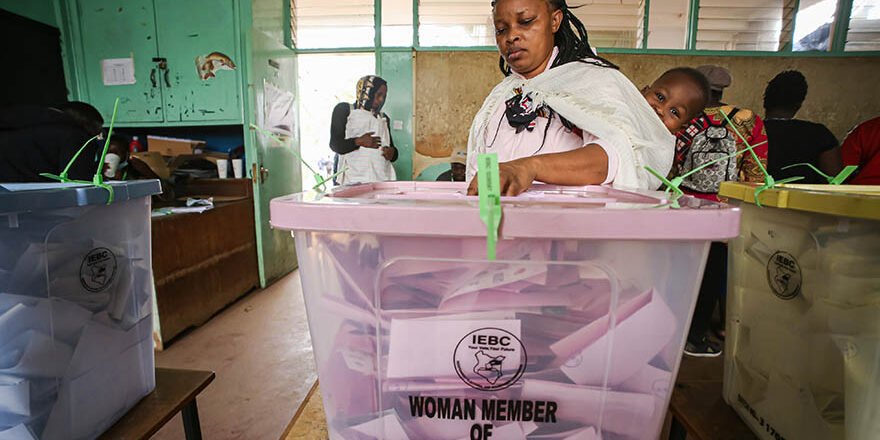
In the vast, interconnected landscapes of Kenya’s arid and semi-arid lands (ASALs), decisions made in county assemblies and the national parliament have a direct impact on the most fundamental aspects of life: the management of a borehole, the demarcation of a grazing corridor, the funding for a mobile health clinic. Yet, for many pastoralist communities, the link between casting a ballot and improving daily life can seem distant.
At the Pastoralist Development Agenda (PDA), our peacebuilding work goes beyond mediating immediate conflict. We recognize that informed, inclusive civic participation is a cornerstone of lasting stability and equitable development. This is why we integrate non-partisan voter and civic education into our holistic community empowerment model.
The Direct Link Between the Ballot and the Borehole
Conflict in pastoralist regions often stems from competition over scarce natural resources. When communities feel their needs are unheard or underrepresented in government, tensions over water and land can escalate. Voter enlightenment demystifies the power of the ballot, showing community members—especially women and youth, how their vote directly influences county budgeting and national policy.
Our workshops focus on practical understanding:
- Understanding Devolution: We explain how county governments function and their responsibilities in key sectors like agriculture, water, and health.
- The Power of Representation: We discuss how elected leaders are accountable for allocating resources to projects like drilling new boreholes, establishing grazing reserves, or building school infrastructure.
- Advocacy Beyond Election Day: We train communities on how to continue engaging with their leaders to ensure campaign promises translate into tangible development.
Amplifying Marginalized Voices for Inclusive Peace
True peace cannot be achieved if only a portion of the community has a voice. Our civic education intentionally creates space for women and youth, groups critical to community resilience but often sidelined in formal decision-making.
By empowering them with knowledge about their civic rights and the electoral process, we help ensure that development planning addresses the unique challenges they face, leading to more inclusive and effective solutions for everyone.
A Case for Dialogue, Not Division
In the heated atmosphere of an election cycle, community cohesion can be strained. PDA’s approach frames civic duty as a collective community responsibility, not a source of division.
Our dialogues emphasize that regardless of political affiliation, community members share common goals: water security, good health, education for their children, and peaceful coexistence.
An informed electorate is better equipped to choose leaders based on their development agendas for the area, rather than divisive rhetoric.
Conclusion: Building a Foundation for the Future
Voter education is an investment in long-term, community-owned peace and prosperity. It transforms citizens from passive recipients of aid into active architects of their own future.
By understanding and engaging with the democratic process, pastoralist communities can more effectively advocate for the policies and resources they need to thrive.
When a community knows that their collective vote can secure a water pan for their livestock or a scholarship fund for their students, democracy becomes a powerful tool for building the resilient tomorrow we all work towards.